
Yes, you can sell a termite-damaged house in Central Virginia without fixing it first. Because Virginia is a “buyer beware” state, you are generally not required to repair termite damage before selling, and a local cash buyer like Home Buyers of Virginia can buy your Richmond-area home as-is, cover closing costs, and skip the lender-required inspections that sink most financed sales.
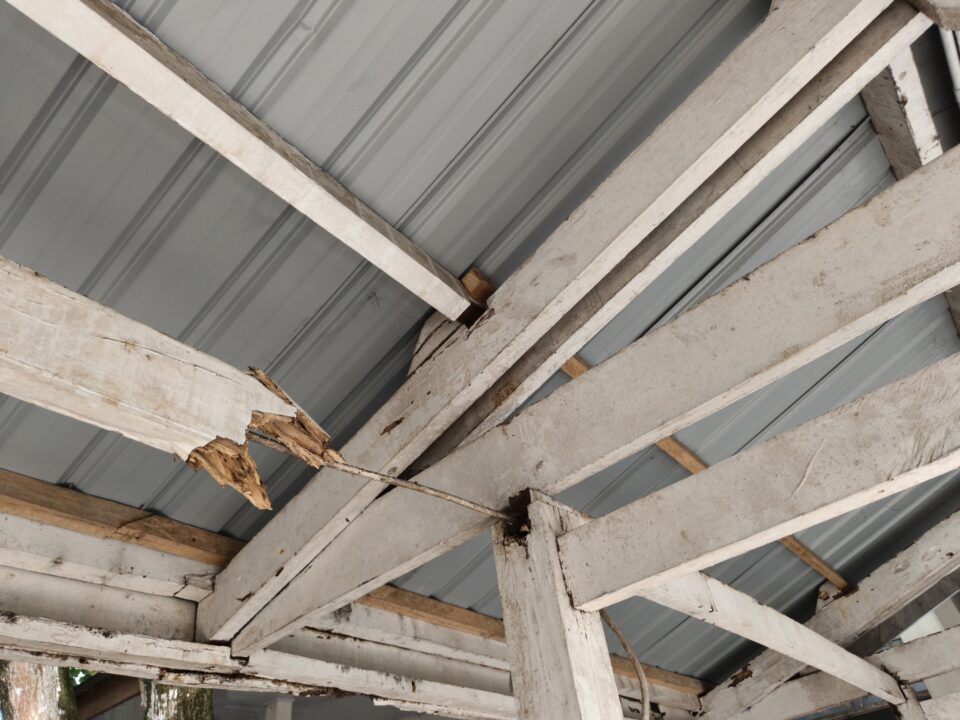
If subterranean termites have worked their way through the framing, subfloor, or joists of your Central Virginia home, you have more options than an expensive repair bill. Home Buyers of Virginia is a local, family-owned cash buyer with offices in Richmond and Fredericksburg, and in nearly a decade of business the team has purchased more than 550 homes across the region, many in rough condition. This guide explains why termite damage is so common here, how to tell when repairs are no longer worth it, what Virginia law asks of you as a seller, and how a cash sale lets you move on without repairs, commissions, or a failed inspection.
Why Termite Damage Is So Common in Central Virginia Homes
Central Virginia sits in one of the highest-risk termite regions in the country, which is why so many local homes eventually show damage. The National Pest Management Association ranks Virginia among the top states for moderate to heavy termite infestation, and the culprit is almost always the Eastern subterranean termite (Reticulitermes flavipes), the dominant species statewide. Drywood termites are rare and mostly limited to the coast south of Norfolk.
According to Virginia Cooperative Extension, these colonies live in the soil, need moisture, and enter homes from the ground up through foundation cracks, expansion joints, plumbing penetrations, and gaps behind brick veneer. That makes the crawl-space foundations common across Richmond, Henrico, Chesterfield, and Hanover especially vulnerable, and because termites are cryptic, homeowners often see no evidence until the damage is significant.
A single mature colony can consume about a cubic foot of structural wood a year, and serious damage usually develops over three to eight years. Peak swarming season runs March through June, so many homeowners first learn they have a problem when winged swarmers appear at a windowsill in spring.
How Do You Know If Termite Damage Means Repairs Aren’t Worth It?
Repairs usually stop being worth it when the damage reaches load-bearing structure, spreads across several areas, or comes paired with the moisture problems that let termites in. Cosmetic damage to trim, a door frame, or a small section of siding is generally easy to treat and repair. The math changes when termites reach sill plates, floor joists, subflooring, or wall studs, because structural repairs mean opening finished space and the true extent is rarely visible until demolition starts.
Three signals suggest selling as-is may beat repairing:
- The damage is structural or widespread. A repair quote is really an estimate that can climb once walls and floors are opened.
- A chronic moisture source is involved. A wet crawl space, poor grading, or a plumbing leak invited the termites in and needs correcting too, stacking a second major repair on the first.
- Time or budget is tight. You may be relocating, managing an inherited or vacant home, or unwilling to front repair costs and then wait months for a buyer.
When repairs would eat much of your equity or stall a time-sensitive sale, a cash offer that already accounts for the home condition is often the better path. Home Buyers of Virginia specializes in these situations and buys homes that need major repairs every week.
Do You Have to Repair or Disclose Termite Damage Before Selling in Virginia?
In most cases, no. Virginia is a caveat emptor, or “buyer beware,” state, so you are generally not required to repair termite damage or itemize it the way sellers must in disclosure-heavy states. Under the Virginia Residential Property Disclosure Act (Code of Virginia Section 55.1-703), sellers give buyers a Residential Property Disclosure Statement that makes no representations or warranties about the property condition and instead advises buyers to perform their own due diligence, such as a home inspection.
In practice, that shifts responsibility for uncovering issues like termite damage onto the buyer. Even so, caveat emptor is not a license to lie: you cannot conceal known damage or misrepresent it when asked, and being upfront helps a sale close cleanly. Because your obligations can depend on your situation, confirm them with a Virginia real estate attorney or review the disclosure resources from the Virginia Department of Professional and Occupational Regulation. The information here is general and is not legal advice.
Why Termite Damage Wrecks a Traditional Sale (and Cash Sidesteps It)
Even though you may not have to disclose termite damage, a financed buyer’s lender almost certainly will require proof the home is clear, and that is where most traditional sales collapse. Because Virginia sits in a moderate to heavy termite zone, VA home loans require a wood-destroying insect inspection on the industry-standard Form NPMA-33, and FHA appraisers routinely call for the same report when they spot infestation or damage. If that report turns up active termites or structural damage, the lender generally requires treatment and repairs before the loan can close.
In a region with as many military and veteran buyers as Central Virginia, from the Richmond area to Quantico and Dahlgren, that single requirement quietly ends a large share of financed contracts. Two more realities surprise sellers: homeowners insurance almost never covers termite damage, and buyers who stay in a deal often demand steep credits once an inspection reveals the problem. A cash buyer changes the math, because with no mortgage there is no lender-mandated WDI clearance and no financing contingency to fail.
Your Options for Selling a Termite-Damaged House in Central Virginia
You have three realistic paths: repair and list on the open market, list the home as-is on the MLS, or sell directly to a local cash buyer. The right one depends on how much damage exists, how much time and money you can invest, and how certain you need the sale to be. Here is how they compare.
| Factor | Repair & List | List As-Is | Cash Sale |
| Repairs required first | Yes | No | No |
| Typical speed | Slowest | Slow | Fastest |
| Lender WDI report risk | Can derail | Can derail | None |
| Agent commissions and fees | Yes | Yes | No |
| Sale certainty | Lower | Lower | Highest |
| Offer reflects | Repaired value | Reduced value | Current condition |
How Selling a Termite-Damaged Home to Home Buyers of Virginia Works
The process is built to be simple: you tell us about the house, we make a fair no-obligation cash offer, and you choose the closing date. Home Buyers of Virginia is a local, family-owned team serving Richmond, Fredericksburg, and the surrounding Central Virginia counties, and we buy houses in any condition, including homes with active infestations or years of structural damage. There are no commissions, no inspections or repairs to make, and no obligation to accept our offer.
- Reach out by phone or through our website with a few details about your property.
- We review the home and, when it helps, walk it in person. No cleaning, staging, or repairs needed.
- You receive a fair, no-obligation cash offer, typically within 24 hours.
- If you accept, you pick the closing date and we handle the paperwork and closing costs.
Homeowners across the Richmond metro trust our team to buy houses in Richmond for cash. You can request your free cash offer in minutes.
Ready to stop worrying about termite repairs?
Home Buyers of Virginia will buy your Central Virginia house as-is, with no commissions, no repairs, and no failed-inspection surprises. Call 804-391-0884 (Richmond) or reach out through our contact page for a fair, no-obligation cash offer, and sell on the timeline that works for you.
Frequently Asked Questions(FAQs)
Can I sell a house with active termites in Central Virginia?
Yes. Home Buyers of Virginia buys homes with active termite infestations and structural damage, then handles treatment and repairs after closing. You do not need to exterminate, repair, or clean anything first.
Do I have to disclose termite damage when selling a house in Virginia?
Virginia is a caveat emptor (buyer beware) state, so sellers give a disclosure statement that makes no warranties about condition and tells buyers to inspect for themselves. You generally do not have to itemize termite damage, but never conceal it, and confirm your obligations with a Virginia real estate attorney.
Will termite damage stop a buyer using a VA or FHA loan?
It often does. Virginia sits in a moderate to heavy termite zone, so VA loans require a wood-destroying insect report (Form NPMA-33) and FHA appraisers request one when they see damage. If it shows active termites or structural damage, the lender usually requires repairs before closing.
Is it worth repairing termite damage before selling?
It depends on the extent. Cosmetic damage is usually worth repairing, but once termites reach load-bearing framing or a moisture problem is involved, costs can climb well past the first estimate, and an as-is cash sale is often more practical.
How much lower is a cash offer because of termite damage?
A cash offer reflects current condition and the cost to treat and repair the damage, so it comes in below fully repaired value. In exchange you skip repairs, inspections, and commissions and get a firm offer with no financing contingency.
Does homeowners insurance cover termite damage?
Usually not. Insurers treat termite damage as a preventable maintenance issue rather than a sudden loss, so most policies exclude it. That leaves many homeowners paying out of pocket, which is one reason selling as-is appeals.
How fast can Home Buyers of Virginia close on a termite-damaged house?
We can typically make a no-obligation cash offer within 24 hours and close on the date you choose, with no lender, appraisal, or inspection contingency to wait on. That helps if you are relocating or need to move quickly.
What kind of termites cause damage in Central Virginia?
Almost all of it comes from the Eastern subterranean termite, the dominant species across Virginia. These colonies live in the soil and enter from the ground up, which makes the crawl-space foundations common around Richmond especially vulnerable.
Do I need a termite inspection before selling to a cash buyer?
No. When you sell directly to Home Buyers of Virginia you do not need a wood-destroying insect report, pest treatment, or any pre-sale inspection. We assess the property ourselves and make an offer based on current condition.
What areas of Central Virginia does Home Buyers of Virginia serve?
We buy throughout the Richmond metro and surrounding Central Virginia, including Henrico, Chesterfield, and Hanover counties and communities like Midlothian, Glen Allen, Mechanicsville, and Ashland, plus the Fredericksburg region. Call 804-391-0884 to confirm your address.